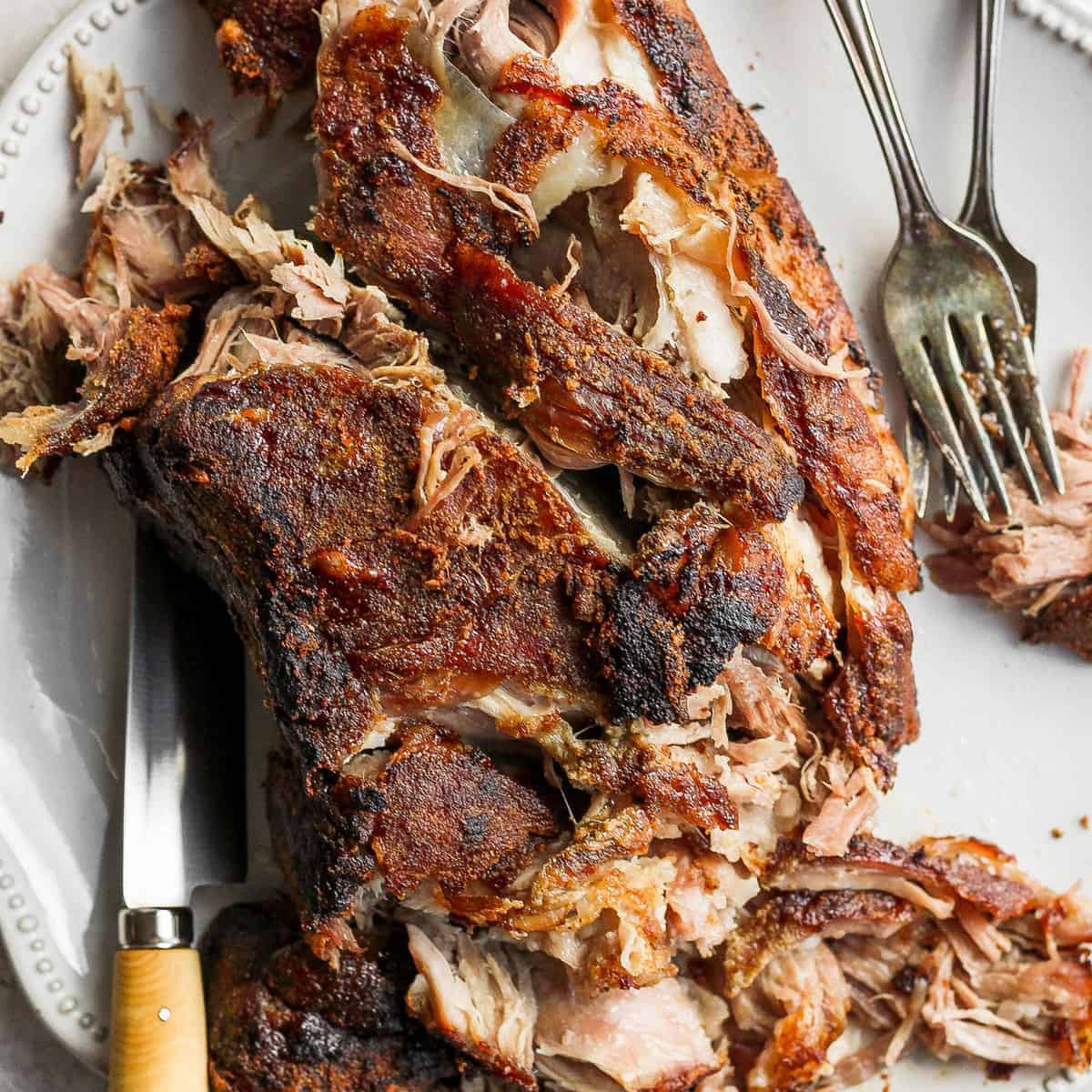
The Ultimate Foolproof Slow Roast Pork: Achieving Fall-Apart Tenderness for Your Sunday Feast
There’s a profound comfort in the aroma of pork slowly roasting in the oven, a culinary promise of tender, succulent meat that practically melts in your mouth. For many, a perfectly executed `slow roasted pork shoulder recipe` is the quintessential centerpiece for a Sunday feast, a dish that brings families together and leaves everyone utterly satisfied. Forget complicated techniques or gourmet ingredients; this guide will show you how to achieve restaurant-level quality with minimal fuss, ensuring your pork shoulder is not just cooked, but transformed into an unforgettable culinary experience.
This method, perfected through generations and refined for modern kitchens, guarantees a remarkably tender pork shoulder every single time. It's the kind of dish that requires patience, not precision, rewarding you with deeply flavorful, fall-apart meat encased in a beautifully caramelized crust. If you've been searching for that magical `slow roasted pork shoulder recipe` that truly delivers, your quest ends here.
The Secret to Unforgettable Tenderness: Why Slow Roasting Works
The magic of `slow roasted pork shoulder recipe` lies in its low-and-slow approach. Pork shoulder, often known as Boston butt, is a cut rich in connective tissue. While this can make it tough if cooked quickly, slow roasting at a low temperature allows this collagen to gradually break down into gelatin. This process is what transforms a sturdy cut of meat into the unbelievably tender, moist, and fall-apart perfection we crave. It’s not just cooking; it’s a scientific marvel in your oven!
Choosing Your Star Ingredient: The Pork Shoulder
For this `slow roasted pork shoulder recipe`, the cut of meat is paramount. We highly recommend a
bone-in Boston butt. The bone not only adds flavor during cooking but also helps conduct heat evenly, leading to more consistent tenderness. Look for a piece with good marbling – those tiny streaks of fat throughout the meat – as this contributes significantly to moisture and flavor. A deep pink hue and a thin, even layer of fat on the exterior are also good indicators of quality. While you can find excellent cuts at specialty butchers, well-trimmed options from stores like Whole Foods or Costco can also work beautifully.
Before you begin, ensure your pork shoulder is completely dry. Use paper towels to pat the entire surface until it feels almost powdery. Any residual moisture will hinder the formation of that crucial, flavorful crust during the searing process.
Crafting Your Perfect Slow Roasted Pork Shoulder: Ingredients & Prep
One of the most appealing aspects of this `slow roasted pork shoulder recipe` is its elegant simplicity. While it might seem like just a few ingredients, each plays a vital role in building complex flavors.
Essential Ingredients:
*
4 lb Bone-in Pork Shoulder (Boston Butt): The star of our show.
*
2 tbsp Kosher Salt: Our preferred choice for even seasoning; its larger crystals adhere well. For more on achieving incredible flavor, check out
Nonna's 3-Hour Slow Roasted Pork Shoulder: Restaurant Quality Made Easy.
*
1 tbsp Freshly Cracked Black Pepper: For a pungent kick.
*
1 tsp Smoked Paprika: Adds depth and a beautiful reddish hue to the crust.
*
6 cloves Garlic: Minced for maximum aromatic impact. Fresh is always best; if you’re out, a teaspoon of garlic powder can substitute, but remember it’s less potent. Alternatively, a few smashed cloves of roasted garlic offer a sweeter, milder flavor.
*
2 tsp Fresh Rosemary Leaves: Finely chopped, for a woody, aromatic note.
*
2 tsp Fresh Thyme Leaves: Adds a delicate, earthy fragrance.
*
4 tbsp Extra-Virgin Olive Oil: For binding the rub and searing. Choose a good quality oil for better flavor. In a pinch, rendered pork fat offers an incredibly rich alternative.
*
1 whole Yellow Onion: Quartered.
*
2 whole Carrots: Cut into large chunks.
The Aromatic Rub: Your Flavor Foundation
The seasoning rub is where the magic truly begins. In a small bowl, combine the kosher salt, freshly cracked black pepper, smoked paprika, minced garlic, fresh rosemary, and fresh thyme. Drizzle 2 tablespoons of extra-virgin olive oil over the patted-dry pork shoulder, then generously massage the herb and spice mixture over every surface of the meat. Work it in well, creating a fragrant paste that will permeate the pork as it cooks. Allow the seasoned pork to rest at room temperature for about 15-30 minutes; this allows the salt to begin its work of tenderizing and drawing flavor into the meat.
The Foolproof Method: Sear, Roast, and Rest
This `slow roasted pork shoulder recipe` follows a precise yet forgiving sequence: a high-heat sear for flavor, a long, gentle roast for tenderness, and a crucial resting period for juiciness.
Step 1: The Flavor-Building Sear
Before it hits the oven, we need to develop a glorious crust on your pork shoulder. Heat a heavy-bottomed skillet (cast iron works wonderfully) over medium-high heat. Add a thin layer of the remaining 2 tablespoons of extra-virgin olive oil, letting it shimmer but not smoke. Once hot, carefully lay the seasoned pork shoulder into the pan, listening for that immediate, satisfying sizzle. Allow it to sear undisturbed for 5-7 minutes per side, until a deep golden-brown crust forms. This is the Maillard reaction at play, creating hundreds of new flavor compounds that will make your roast irresistibly delicious. Repeat this on all sides, including the ends.
Step 2: The Gentle Roast
While your meat is searing, preheat your oven to 300°F (150°C). Place the quartered yellow onion and carrot chunks in the bottom of a sturdy roasting pan. These vegetables will not only infuse the pan drippings with flavor but also act as a natural rack for the pork.
Once the pork is beautifully seared, transfer it to the roasting pan, setting it directly on top of the vegetables. Cover the roasting pan tightly with foil or a lid. Place it in the preheated oven and let it roast for approximately 3 hours for a 4-pound bone-in shoulder. The exact cooking time can vary slightly depending on your oven and the pork's shape, but aiming for an internal temperature of 195-205°F (90-96°C) will ensure that fall-apart texture. If you're aiming for that extra crispy crackling, you might consider a longer, uncovered roast for the last hour or a finishing blast at a higher temperature, or explore alternative methods like the
Ultimate Slow Roasted Pork Shoulder: Melt-in-Mouth Tenderness & Crispy Skin.
Step 3: The Crucial Rest
Once cooked, remove the roasting pan from the oven. Keep the pork covered and let it rest for at least 20-30 minutes before slicing or shredding. This resting period is non-negotiable! It allows the juices, which have been pushed to the center of the meat during cooking, to redistribute throughout the roast, resulting in a significantly juicier and more flavorful product.
Beyond the Roast: Serving Suggestions & Leftover Magic
Your perfectly cooked `slow roasted pork shoulder recipe` is incredibly versatile. For your Sunday feast, serve it alongside classic accompaniments like crispy roasted potatoes, creamy mashed potatoes, or a vibrant green salad with a sharp vinaigrette to cut through the richness. Don't forget to spoon some of those flavorful pan drippings over the sliced pork – they are liquid gold!
Leftover Love:
One of the best things about a large roast is the promise of delicious leftovers. Your slow-roasted pork shoulder stores incredibly well:
*
Refrigeration: Slice or shred the meat and store it in an airtight container with a little of the pan juices (to keep it moist). It will stay juicy for 4-5 days in the fridge.
*
Freezing: For longer storage, wrap individual portions tightly in plastic wrap, then foil, and freeze for up to 3 months. Thaw in the fridge overnight before reheating.
*
Reheating: Always reheat gently to retain tenderness. A low oven (around 275°F) covered with foil, or a quick warm-up in a skillet with a splash of broth, works best.
Transform your leftovers into new meals! Think savory pulled pork sandwiches with coleslaw, flavorful tacos, hearty hash with eggs, or even a base for a quick weeknight chili. The possibilities are endless when you start with such a delicious foundation.
Conclusion
This foolproof `slow roasted pork shoulder recipe` is more than just a meal; it's an experience. It’s the kind of dish that fills your home with irresistible aromas, gathers loved ones around the table, and delivers tender, flavorful results with minimal effort. By following these simple steps – from selecting the right cut to the critical resting period – you can consistently achieve fall-apart tenderness and a beautiful crust, making every Sunday feast feel like a celebration. So go ahead, embrace the low-and-slow philosophy, and prepare to be amazed by the deliciousness you can create right in your own kitchen.