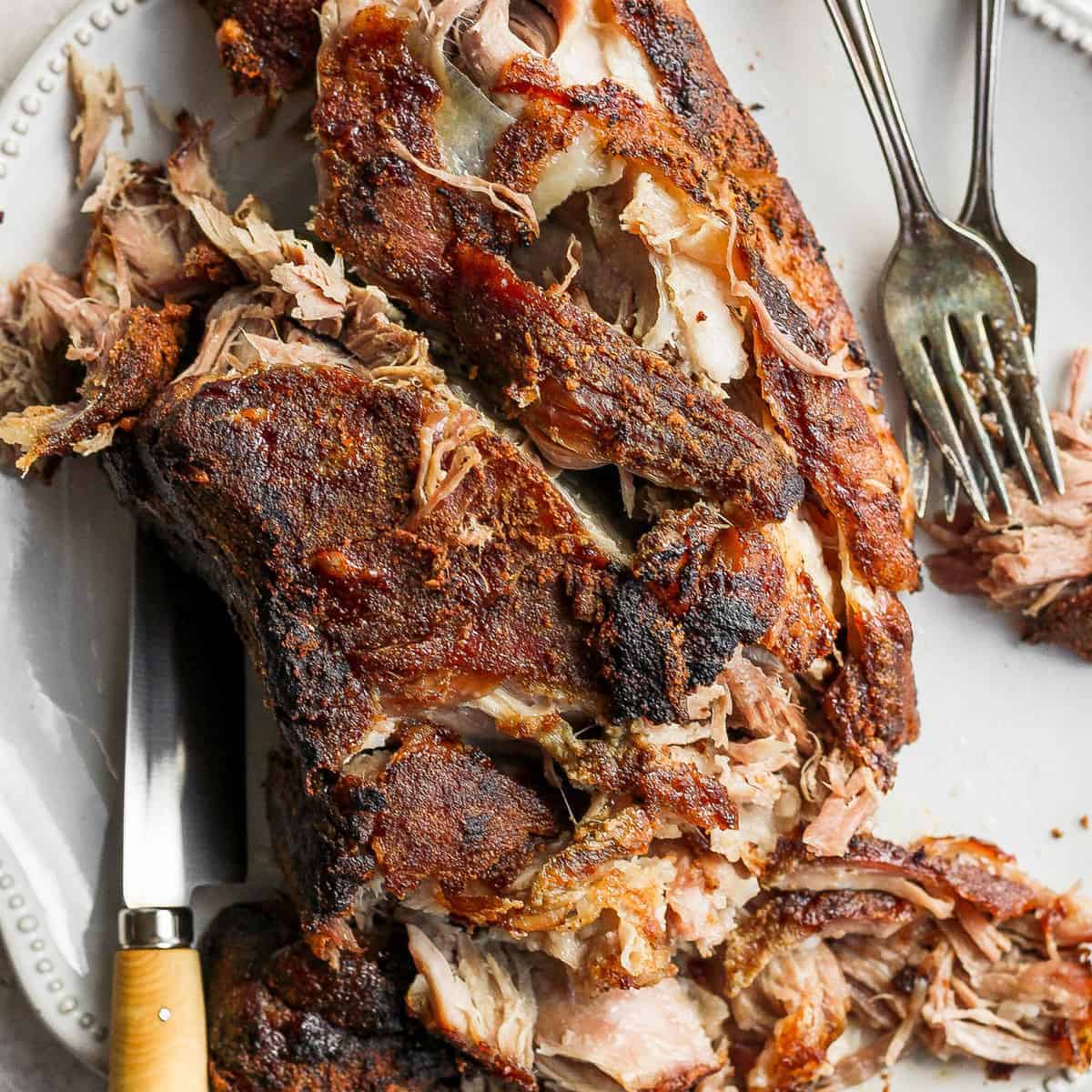
The aroma of slow-cooked pork, with its promise of tender, fall-apart meat and shatteringly crisp crackling, is one of life’s greatest culinary comforts. For many, it’s the true heart of a Sunday feast, a tradition cherished for bringing family and friends together. If you're tired of predictable meals or looking to elevate your weekend dining, this foolproof slow roast pork shoulder recipe is your answer. It’s surprisingly straightforward, incredibly forgiving, and delivers results that will make you feel like a true kitchen hero. Prepare for rustic, deeply flavorful, and utterly satisfying bites – the kind of meal that transforms every occasion into an event.
There's a reason why master chefs and home cooks alike swear by the 'low and slow' method for pork shoulder. This comprehensive guide will walk you through the ultimate slow roasted pork shoulder recipe, ensuring melt-in-your-mouth tenderness and that coveted crispy skin every single time. Get ready to unlock restaurant-level quality in your own kitchen with minimal fuss.
The Magic Behind Melt-in-Mouth Tenderness: Why Slow Roasting Reigns Supreme
Achieving truly tender pork shoulder isn't about rushing; it's about patience and understanding the meat. The pork shoulder, often referred to as Boston butt, is a hard-working muscle cut, meaning it's rich in connective tissue – specifically collagen. While this can make for tough meat if cooked quickly, it's a blessing when slow-roasted.
When pork shoulder is subjected to low, consistent heat over an extended period (typically between 250°F and 300°F), something magical happens. The collagen slowly breaks down and melts into gelatin. This gelatin then coats the muscle fibers, infusing them with incredible moisture and creating that characteristic "melt-in-your-mouth" texture. Furthermore, slow roasting allows fats to render gradually, basting the meat from within and contributing to a rich, succulent final product. This process is the key to transforming a humble cut into a culinary masterpiece, delivering unparalleled tenderness that simply can't be achieved with quicker cooking methods.
Essential Ingredients for Your Ultimate Slow Roasted Pork Shoulder Recipe
You might be surprised at how few ingredients are truly necessary to achieve such spectacular results. The beauty of this slow roasted pork shoulder recipe lies in its simplicity, allowing the natural flavors of the pork to shine through. However, choosing the right quality ingredients makes all the difference.
- Bone-In Pork Shoulder (Boston Butt): This is the star. A 4-6 lb bone-in Boston butt is ideal. The bone helps distribute heat evenly and adds flavor, while the natural marbling ensures juiciness. Look for a deep pink hue and a thin, even layer of fat on the exterior. While Whole Foods often has excellent cuts with good marbling, a well-trimmed option from Costco can also work wonderfully.
- Extra Virgin Olive Oil: The binding agent for your rub and essential for that initial sear. Use a good quality extra virgin olive oil for a subtle fruity note. For an extra layer of richness, as a pro tip, you can swap a portion of the olive oil for rendered pork fat – trust us, it’s a game-changer!
- Kosher Salt: Diamond Crystal kosher salt is a favorite among chefs for its crystal structure, which allows for even seasoning without over-salting. Sea salt flakes also work well. Avoid regular table salt, as it can be overly aggressive.
- Freshly Cracked Black Pepper: The aroma and bite of fresh pepper are incomparable.
- Fresh Garlic: Minced fresh garlic cloves are paramount. They infuse the meat with a pungent, aromatic flavor. If fresh isn't available, roasted garlic cloves, mashed into a paste, offer a sweeter, milder alternative. As a last resort, a teaspoon of garlic powder can be used, but remember it's less potent.
- Fresh Herbs (Rosemary & Thyme): While not strictly essential, fresh rosemary and thyme leaves elevate the aroma and flavor profile significantly, adding a fragrant, earthy complexity.
- Smoked Paprika: A teaspoon of smoked paprika adds a lovely depth, a touch of color, and a subtle smoky undertone that complements the pork beautifully.
- Aromatics for the Pan (Optional but Recommended): Quartered yellow onions and chunky carrots placed in the roasting pan with the pork will caramelize beautifully, adding another layer of flavor to the drippings and a wonderful base for any pan sauce.
Prepping for Perfection: The Foundation of Your Slow Roasted Pork Shoulder
Success begins long before the oven door closes. This crucial prep stage sets the stage for both tenderness and that irresistible crispy skin.
- Pat it Dry, Really Dry: Use paper towels to pat the entire surface of the pork shoulder completely dry. Moisture is the enemy of a good crust. Continue patting until the surface feels almost powdery. This step allows for a better sear and helps the rub adhere effectively.
- Craft Your Flavorful Rub: In a small bowl, combine your chosen seasonings: kosher salt, freshly cracked black pepper, smoked paprika, minced fresh garlic, and finely chopped fresh rosemary and thyme leaves.
- Massage and Marinate: Drizzle the pork shoulder generously with olive oil (or rendered pork fat). Then, take your flavor rub and massage it vigorously into every crevice of the pork. You want to create a fragrant paste that coats the shoulder evenly.
- Brief Rest: Allow the seasoned pork to rest at room temperature for about 30-60 minutes. This allows the salt to begin penetrating the meat and ensures a more even cook.
Mastering the Method: Step-by-Step for Ultimate Melt-in-Mouth Tenderness & Crispy Skin
This is where the magic truly unfolds. Follow these steps for an exquisite slow roasted pork shoulder recipe:
1. The Crucial Sear
Before it goes into the oven, a proper sear is non-negotiable. Heat a heavy-bottomed skillet (cast iron works wonderfully) over medium-high heat. Add a thin layer of olive oil, ensuring it shimmers but doesn't smoke. Carefully place the seasoned pork shoulder into the hot pan, listening for that immediate sizzle. Sear undisturbed for 5-7 minutes per side, until a deep golden-brown crust forms. This is the Maillard reaction at work, developing incredible savory flavors and contributing significantly to that crispy exterior.
2. The Slow Roast: Low and Slow is the Way to Go
While the pork rests briefly, preheat your oven to 275°F (135°C). While a 3-hour roast at this temperature works well for slicing a 4lb shoulder to a tender finish, for true "fall-apart" shreddable pork, especially for larger cuts (5-6 lbs), we recommend a longer duration. Arrange the quartered yellow onions and chunky carrots in the bottom of a sturdy roasting pan. Place the seared pork shoulder on top of the aromatics.
Roast for approximately 5-6 hours, or until the internal temperature reaches 190-200°F (88-93°C) and the meat is easily pierced with a fork. For the last 30-45 minutes, you can increase the oven temperature to 375-400°F (190-200°C) to further crisp up the skin, or even use the broiler for a few minutes (watch it carefully!).
3. The Golden Rule: Rest!
Once cooked, remove the pork shoulder from the oven, cover it loosely with foil, and let it rest for at least 20-30 minutes. This allows the juices to redistribute throughout the meat, ensuring every bite is succulent. Skipping this step results in dry pork. After resting, the bone should slide out effortlessly, and the meat will be ready to slice into tender pieces or shred with two forks.
Serving Suggestions & Culinary Creativity
Your beautifully slow roasted pork shoulder recipe is incredibly versatile. For a complete, satisfying plate, serve it alongside classic accompaniments like crispy roasted potatoes, creamy polenta, or a fresh, crisp salad to cut through the richness. The pan drippings, rich with the flavor of pork, garlic, and caramelized vegetables, can be easily turned into a delicious gravy by deglazing the pan with a splash of broth or wine, thickening with a cornstarch slurry. For a more rustic approach, simply spoon the flavorful pan juices directly over the meat.
Leftovers are a joy! Shredded pork shoulder makes fantastic pulled pork sandwiches, tacos, quesadillas, or a flavorful addition to mac and cheese. The possibilities are endless.
Storage and Reheating Tips
Proper storage ensures your delicious creation remains fresh and juicy for days to come. Slice or shred any leftover pork shoulder and store it in an airtight container in the refrigerator for 4-5 days. To enjoy it later, wrap tightly in foil and plastic wrap, then freeze for up to 3 months.
When reheating, gently warm the pork in a low oven (around 275°F/135°C) with a splash of broth or water to retain its tenderness. Avoid high heat, as it can dry out the meat.
There you have it – the ultimate slow roasted pork shoulder recipe that promises to transform your perception of home cooking. With a little patience and the right technique, you can achieve melt-in-your-mouth tenderness and perfectly crispy skin, bringing restaurant-quality flavor right to your dining table. This isn't just a meal; it's an experience, a tradition in the making, and a testament to the simple joy of good food shared.
